Lead Generation

Good-looking website illustration showing why visitors don’t convert into enquiries

Why a Good-Looking Website Doesn’t Convert

A good-looking website doesn’t always mean better results. Many business owners ask why isn’t my website converting visitors even when the design looks professional. This blog explains what’s really stopping customers, the common mistakes websites make, and how small changes can turn visitors into enquiries and sales.

Deepak Sharma - SEO consultant

Deepak Sharma

SEO consultant

Feb 08, 2026  |  6 min. read
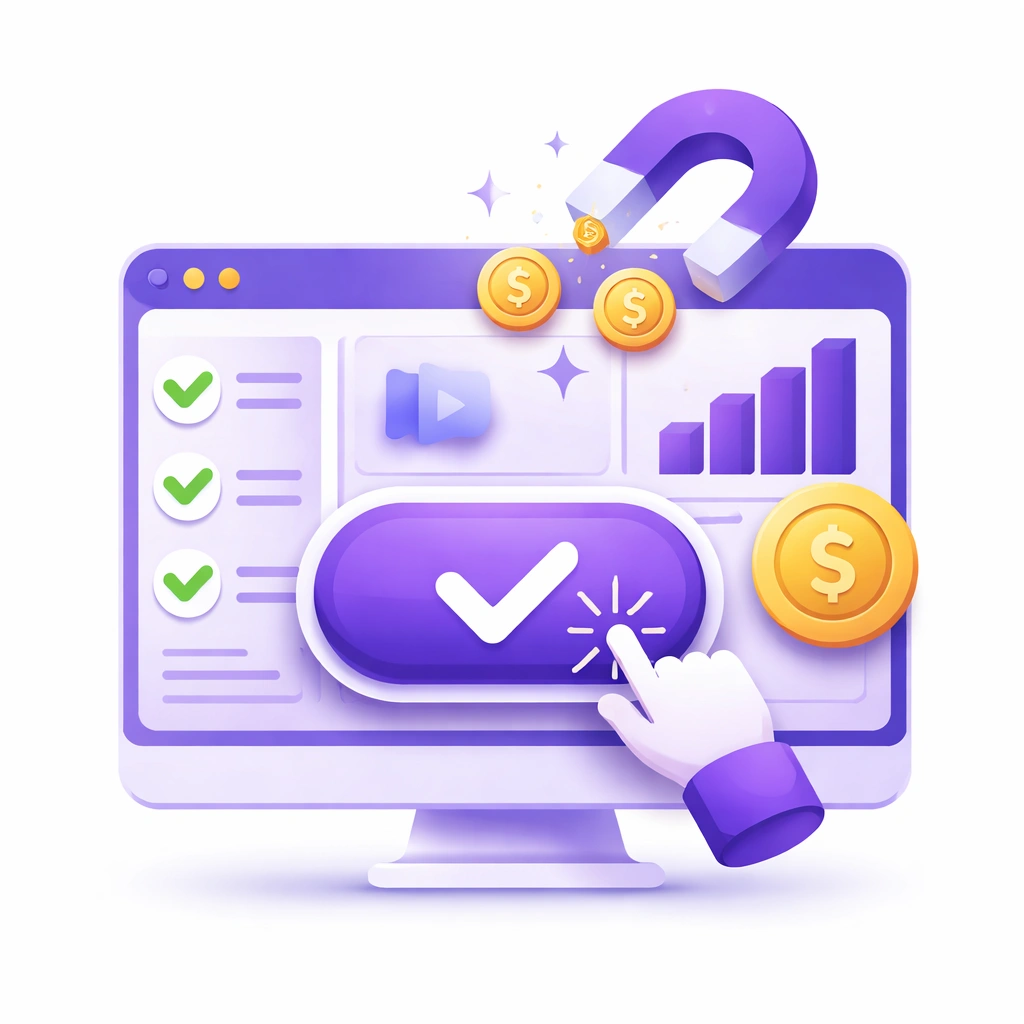
3D website conversion icon representing visitors, actions, and enquiries

Your website looks professional.
It loads properly. It feels modern. People even tell you it looks great.

But enquiries are low. Sales are slow.
And you’re left wondering why isn’t my website converting visitors, even though nothing looks obviously wrong.

This is something I hear all the time from small business owners. A site can look polished and still struggle to bring in customers. In many cases, the problem isn’t the design at all.

If you’ve ever thought my website looks good but doesn’t convert, or quietly asked yourself why a website that looks good still doesn’t sell, you’re not alone. This is a common issue — and it’s usually fixable once you understand what’s actually going on.

Why a Website That Looks Good Still Doesn’t Convert

A good-looking website doesn’t automatically mean a website that sells.
Design helps first impressions, but it doesn’t do the job on its own.

Most sites are built to look nice, not to guide visitors toward a decision. They focus on layout, colours, and images, but forget to answer the basic questions running through a visitor’s head: Is this for me? Can you help me? What should I do next? When that clarity and value proposition are missing, people hesitate — and hesitation usually means leaving.

This is one of the most common reasons a website doesn’t convert. Visitors aren’t confused because the site looks bad. They leave because they’re unsure, unconvinced, or don’t feel confident enough to take the next step. That’s why customers often leave without buying, even on websites that look polished and professional.

Before doing SEO, my main focus is to optimize the website content according to the target audience and search engines. The website must follow EEAT (Experience, Expertise, Authoritativeness, Trustworthiness) guidelines, which Google prefers. Design may attract visitors, but content builds trust, shows experience, and encourages visitors to take action. Simply put, most traffic is wasted if the website is not optimized for users.

Once you understand this, it becomes easier to spot where things start going wrong, and that’s where most websites begin to lose potential customers.

📊 Most websites convert very few visitors

On average, websites convert only about 2.35% of visitors into a meaningful action like a lead or signup, meaning roughly 97 out of every 100 people leave without converting. That’s the reality for most sites today.

Why it matters:

This shows that even if your design looks great, most sites don’t turn browsers into leads — and you need to focus on conversion factors, not just aesthetics.

Common Website Conversion Mistakes Business Owners Make
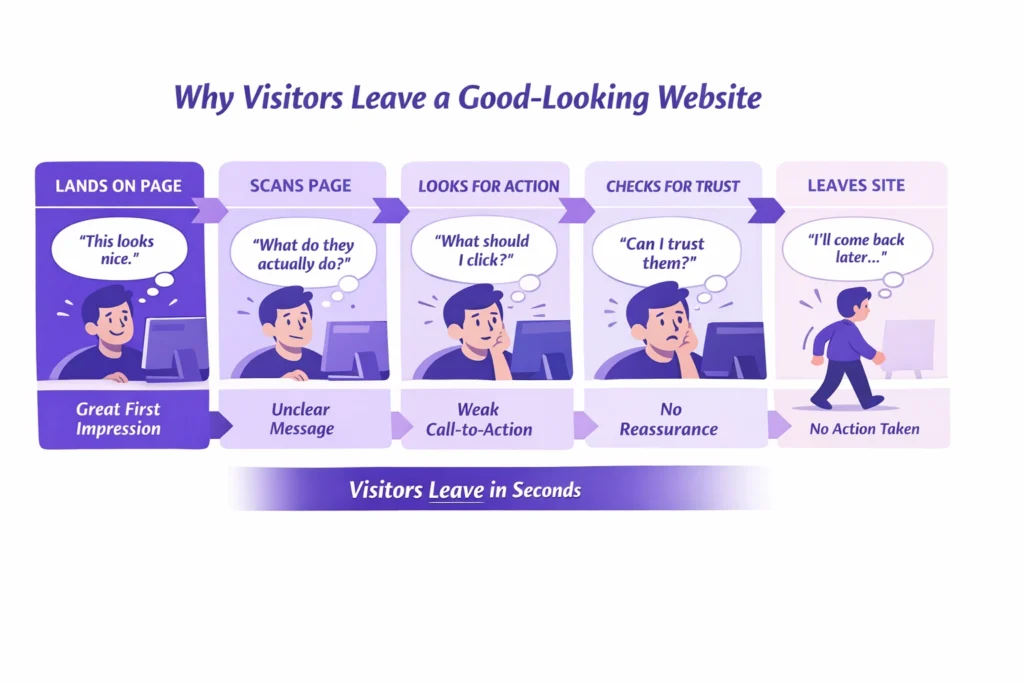
Infographic showing why visitors leave a good-looking website without taking action

After reviewing a lot of small business websites, the same issues come up again and again. They’re easy to miss when you’re close to your own site, but they’re usually clear to visitors.

Design over clarity

The site looks polished, but it’s not obvious who it’s for or how it helps. Without a clear message, visitors don’t feel confident enough to act.

In my 10 years of career, before designing a website, I have learned that it is important to understand the business goals, the target audience, their problems, and the right solutions. Only after that do I create the content accordingly. The most important part is understanding the user journey and building content section by section. CTAs should be used properly so users can easily make the required booking.

Assuming visitors know what to do next

Many websites expect people to figure it out on their own. When there’s no clear direction, visitors hesitate — and hesitation often means leaving.

Mostly, I see website designers focus on building beautiful websites without understanding the content. Business owners often make the same mistake. They see a good-looking website and feel satisfied, but the real value lies in whether the website content is fully optimized and targets the right audience.

Weak call-to-action problems

Buttons are vague, hidden, or trying to do too many things at once. If the next step isn’t obvious, people won’t take it.

For example, suppose you are walking in a beautiful garden. You see trees, then a few steps ahead you see flowers, fountains, and benches to sit and rest. After that, you walk through beautiful paths with flower-covered roofs and again find benches to sit. On a website, those benches are CTAs, where visitors pause, rest, and fill out a form or make an enquiry. That’s why understanding the user journey is so important.

Ignoring user experience and conversion issues

Small frustrations add up. Cluttered pages, confusing layouts, or too much text can quietly push visitors away.

A common mistake many business owners make is focusing on showing their business and explaining their services, instead of clearly offering solutions to users. They often do not show case studies, client reviews, past work, or results that build trust with first-time visitors. Another mistake is making the design too complex, especially during form submission. Filling out a form should take no more than two or three clicks. Complex and confusing layouts frustrate users, causing them to leave the website.

Slow pages and heavy visuals

This is a big one. Website speed hurting sales is real. If pages take too long to load, people leave before they even see what you offer.

Lastly, when I worked on a coaching website project, it looked good with great animations and visuals. However, when I audited it, I found that it was slow on both mobile and desktop, taking 5 to 7 seconds to load. You know that visitors wait an average of only 3 seconds before leaving a site. I explained this mobile website optimization issue to the client and then fixed it.

Missing trust signals for website customers

No reviews, no proof, no reassurance. When visitors don’t feel safe or confident, they won’t get in touch.

How is trust built on a website? A good-looking design is not enough. When you add real business images, videos, client reviews, case studies, and show real results to visitors, trust is built. A good-looking website is like a book with a beautiful cover. When you add trustworthy content inside it, users stay longer and feel confident that this is the right business to solve their problem.

These are all clear signs your website isn’t converting — not because your business isn’t good, but because the site isn’t doing enough to support it.

Once these mistakes are fixed, many websites start performing very differently, even without a full redesign.

📊 Slow loading loses more than half of visitors

Research finds that 53% of mobile visitors will leave a website if it takes longer than 3 seconds to load, and sites that load slower tend to have much higher bounce and abandonment rates.

Why it matters:

This directly ties into why customers leave without buying — performance issues like slow pages can stop visitors before they even see a clear offer or call to action.

How to Fix a Website That Isn’t Converting

If you’re trying to work out how to fix a website that isn’t converting, the good news is this: it’s rarely about starting over. In most cases, a few focused changes make more difference than a full redesign.

Start with your main message. A visitor should understand what you do and who you help in five seconds or less. If they have to scroll, guess, or piece things together, you’ve already lost them.

Next, be clear about who your service is for and how you help. Many websites talk around the problem instead of addressing it directly. When people recognise themselves in your message, they’re far more likely to stay and engage.

Keep each page focused on one clear action. When a page asks visitors to call, email, download, and book all at once, nothing stands out. One clear next step works far better than several competing ones.

Proof matters more than most people realise. Testimonials, short case examples, or even simple client quotes help remove doubt. This is a key part of how to improve website conversions, especially for service-based businesses.

Page speed also plays a bigger role than it seems. Heavy images, unnecessary animations, or cluttered layouts can quietly push people away. Improving load time and removing distractions often helps fix a low conversion rate without touching the design.

Finally, look closely at your wording. Good copy answers the unspoken questions behind why customers leave without buying. It reassures, explains, and makes the next step feel safe and straightforward.

These small changes might not look dramatic, but they’re often the most effective way to improve results, and they usually work better than a complete rebuild.

A Real Example: When a Good Website Still Doesn’t Sell

I worked with a coach whose website looked genuinely impressive.
Strong branding, smooth animations, polished pages, everything you’d expect from a professional build. On the surface, nothing looked wrong.

People who visited the site liked it. But they didn’t get in touch.

After a few months of work, traffic had barely moved and enquiries were still flat. The site looked good, but it wasn’t doing its job. This is exactly the situation where business owners say their website looks good but doesn’t convert, and it’s frustrating because it feels like you’ve already “done everything right”.

The real issue wasn’t the design. It was what sat underneath it. The site didn’t clearly explain the services, there wasn’t a strong offer on key pages, and there was very little content to help people understand the coach’s expertise. Visitors arrived, looked around, then left, which explains why customers leave without buying, even when a site feels polished.

We didn’t redesign the website. Instead, we clarified what was offered, added clear service pages, started publishing helpful content regularly, improved existing pages, and strengthened trust with real proof. The look stayed mostly the same, but the structure and messaging changed.

The difference showed quickly. Traffic started to grow steadily, and more importantly, enquiries followed.

That’s the real gap between a website that simply looks good and one that actually supports a business. Design helps people stay, but clarity, trust, and direction are what make them act.
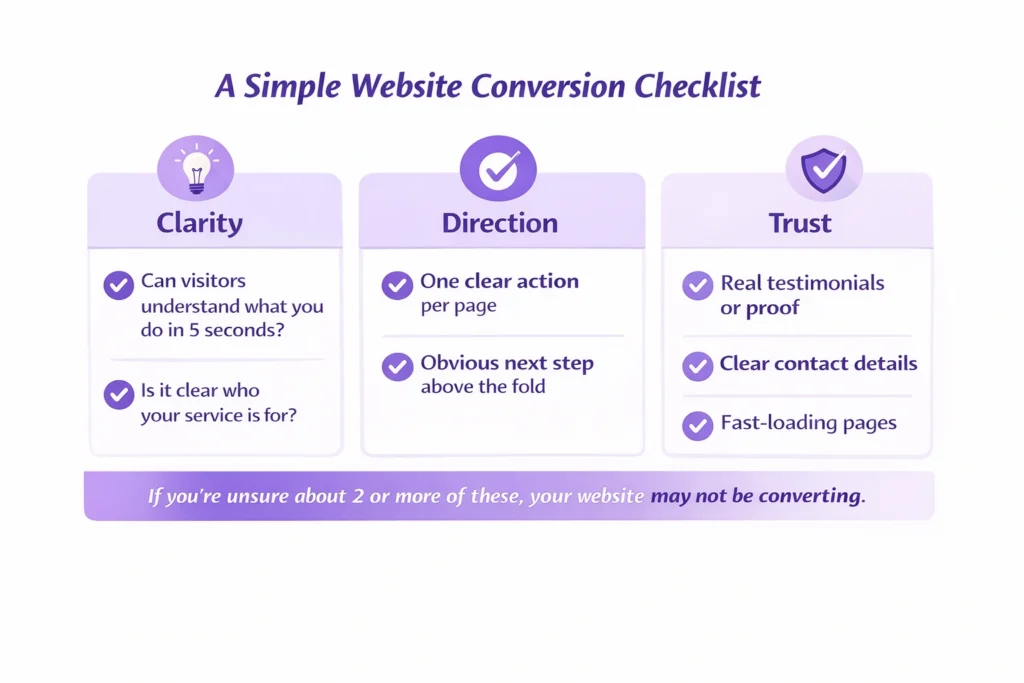
Website conversion checklist helping small businesses identify why sites don’t convert

Not Sure Why Your Website Isn’t Converting?

If you’re noticing the signs your website isn’t converting — low enquiries, people dropping off, or traffic that never turns into conversations — it’s usually not one big issue. It’s a few small things working against you at the same time.

Sometimes it helps to have a second pair of eyes. A proper review can show what visitors are actually experiencing and what’s quietly getting in the way. Once those gaps are clear, it becomes much easier to see how to improve website conversions without guessing or making random changes.

See What’s Blocking Your r Enquiries

A quick, honest review of why visitors aren’t taking action.

If you want clarity on what’s holding your site back, I’m happy to take a look and point you in the right direction.

FAQs

Why does my website look good but get no customers?

A good-looking website can still fall short if it doesn’t clearly explain what you offer or what a visitor should do next. Design creates a first impression, but customers need clarity, reassurance, and a reason to take action. Without those, people browse and leave.

In most cases, visitors don’t convert because they’re unsure. The message may be too vague, the next step isn’t obvious, or there isn’t enough trust built. Even small gaps in clarity or confidence can stop someone from getting in touch.

Start by simplifying. Make your main message clear, focus each page on one action, and show proof that others trust your business. You don’t need a full redesign — small changes to wording, structure, and page flow often make the biggest difference.

Low enquiries, lots of visitors leaving quickly, or people reading pages but never contacting you are common signs. If traffic is coming in but nothing is happening after that, your website likely isn’t guiding visitors well enough.

Why a Good-Looking Website Doesn’t Convert Read More »
Banner explaining why SEO traffic doesn’t convert into enquiries

Why SEO Traffic Doesn’t Turn Into Enquiries

If you’re wondering why my website traffic doesn’t turn into enquiries, this guide breaks it down in plain language. It explains what usually goes wrong after visitors land on your site and what small, practical changes can help turn traffic into real enquiries.

Freelance content writer in India

Priya Sharma

Content Writer

Jan 14, 2026  |  6 min. read

Icon illustrating SEO traffic with low enquiry conversion

You’re doing the work. Your site is getting visitors from Google, but the phone doesn’t ring and the contact form stays quiet. This is one of the most common frustrations I hear. It’s also why many people start asking why websites fail to produce sales, even when traffic looks fine. In most cases, the issue isn’t effort or visibility. It’s what the visitor experiences once they arrive.

The Real Reason Traffic Isn’t Turning Into Leads

In many cases, the website is attracting visitors, just not the right ones. Google is doing its job by sending people your way, but those people may be early in their research or looking for something slightly different from what you offer. That’s usually where things start to break down.

I see this often when a site ranks for broad topics but doesn’t clearly spell out who it’s actually for. Someone lands on the page, scans it for a few seconds, and can’t tell if you solve their specific problem. They don’t dislike the site. They just don’t see a reason to get in touch.

This is also where how to get right website traffic matters. It’s not about more visitors. It’s about attracting people who already feel like you’re a good fit. When the message and the visitor’s intent don’t line up, traffic increases but enquiries don’t.

Most business owners assume that if people are arriving, the hard part is done. In reality, that’s only halfway. What comes next depends on clarity, relevance, and whether the site makes it easy for the right person to recognise themselves in what they’re reading.

Only about 2.35% of website visitors take an action like filling a form or booking a call, meaning roughly 97 out of 100 people leave without converting.

This shows that getting traffic is only the first step. The vast majority of visitors don’t become leads unless the site guides them clearly toward action.
Source: Website Conversion Rate Statistics

Mistakes That Stop Visitors From Enquiring

One of the biggest assumptions I see is that once traffic arrives, enquiries will follow on their own. Many owners believe the website will naturally do the job of converting your website traffic into sales without much guidance. Unfortunately, it rarely works that way.

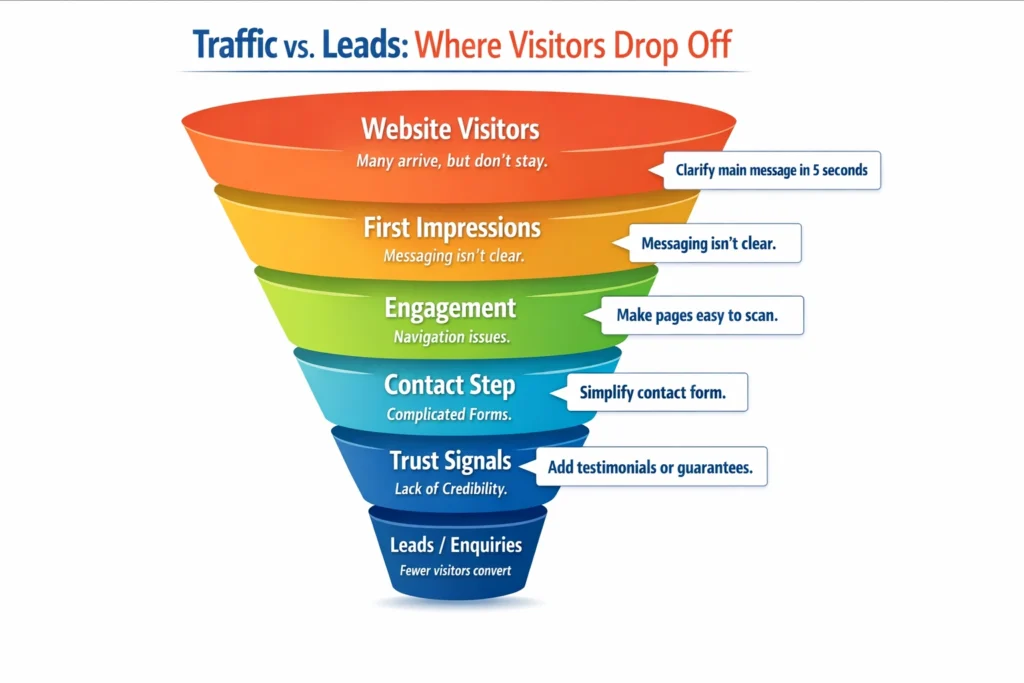
Traffic vs leads funnel infographic showing where website visitors drop off before becoming enquiries and how to improve conversions.

A common mistake is talking too much about the business and not enough about the visitor. Pages list services, credentials, and features, but they don’t explain how those things help someone with a real problem. Visitors end up unsure whether to take the next step.

Another issue is asking for too much, too soon. Long forms, vague contact buttons, or requests for detailed information can feel like a commitment. When someone is still deciding, that friction is often enough to stop them.

There’s also a tendency to keep adding more content instead of fixing what already exists. Traffic grows, but the core pages stay unclear. At that point, the site is busy but not effective. These small missteps add up and quietly block enquiries before they ever happen.

How to Make Your Website Convert

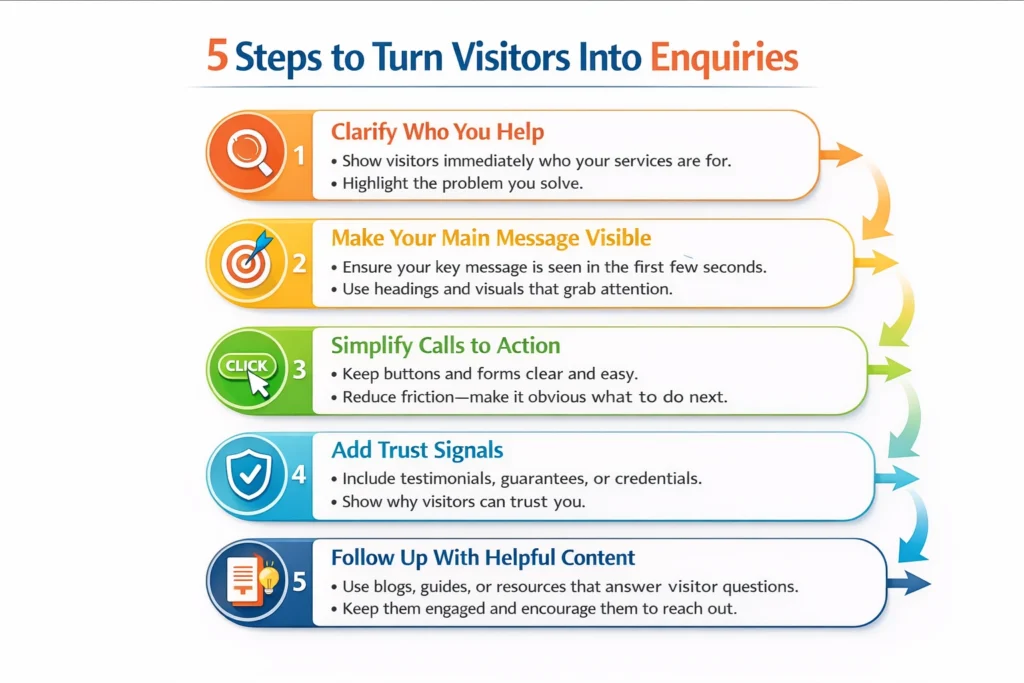
If you’re trying to figure out how to convert website traffic into leads, start with the basics most sites overlook. When someone lands on your page, they should quickly understand who you help, what problem you solve, and what to do next. If that isn’t clear within a few seconds, they’ll move on.

5-step website conversion infographic explaining how to turn visitors into enquiries using clear messaging, CTAs, and trust signals.

Your main pages should guide the visitor, not just inform them. Use simple language. Explain the problem you solve in the same words your clients use. Make the next step obvious, whether that’s a short contact form, a clear call to action, or an invitation to start a conversation without pressure.

Trust matters just as much as clarity. Real examples, brief explanations of how you work, and reassurance around what happens after someone gets in touch can remove hesitation. People don’t avoid enquiring because they’re not interested. They hesitate because they’re unsure.

This is how you start to convert website traffic into sales without chasing more visitors. When the right people feel understood and guided, enquiries happen naturally. The traffic you already have becomes far more valuable.

UI and UX (Website Structure Also Matters)

Another important factor is UI and UX. Your website should be designed for both your target audience and search engines. Speed matters too—pages need to load quickly on desktop and mobile because visitors usually spend only a few seconds deciding if they’ll stay. A clean layout and fast loading time make it easier for them to engage.

Sites that take over 3 seconds to load see much higher abandonment, with visitors rapidly leaving and conversions dropping sharply. Faster-loading sites keep more people engaged and reduce bounce rates.

If a site is slow or confusing, visitors leave before they even see your message. Fixing load time and clarity can prevent this early drop-off.
Source: Web Design Statistics 2026

Google also values EEAT, which means your website should not just show your services, but also demonstrate your experience, expertise, authority, and trustworthiness.

Real Example from a Client Project

A Salon service business I worked with was getting steady traffic every week, but enquiries were rare. On the surface, everything looked fine. Rankings were solid and visitors were spending time on the site. Still, nothing was coming through.

When we looked closer, the issue was clear. The homepage talked about the company, not the customer. The contact page felt formal and asked for too much information. Visitors had no clear reason to reach out at that moment.

Once the messaging and content were updated to focus on the client’s problem, and the contact step was simplified, things changed. This is often how to turn website traffic into sales—not by adding more pages or chasing more visitors, but by making it easy for the right person to say yes and start a conversation.

What we focused on

  1. Analyzed the website structure and user journey.
  2. Optimized content for both customers and Google.
  3. Simplified the CTA structure to make it clear and easy to use.
  4. Published regular blogs addressing the problems customers face.

Result

  1. Traffic remained stable, but sales improved.
  2. The website now looks professional and builds trust.
  3. Continued blog publishing helped improve search rankings.

Get clarity before you decide

If your site is attracting visitors but enquiries aren’t coming through, start by looking at the pages that matter most. Small changes in messaging, layout, or calls to action can make a big difference. Clear, simple steps help visitors understand why they should get in touch.

Check How Your Website Converts Today

Quickly see what stops visitors from turning into real enquiries.

I can take a quick look at your website and share clear feedback, sometimes through a short video so you can see exactly what I’m referring to. The goal isn’t to sell you anything. It’s to help you understand what’s really happening on your site and whether focusing on SEO makes sense for your situation right now.

Focusing on converting your website traffic into sales isn’t about adding more content or spending more on traffic. It’s about making it obvious and easy for the right people to take the next step. Review your key pages from a visitor’s perspective and remove anything that could cause hesitation. Even small adjustments can turn passive visitors into real enquiries.

FAQs

Why is my website getting traffic but no enquiries?

This happens more often than you think. Visitors arrive, but the page doesn’t clearly show them why they should contact you or how to take the next step. Simple things like unclear messaging, hidden contact options, or long forms can stop people from enquiring. Fixing these points can help convert visitors into leads.

Usually, it’s not. Most of the traffic coming from search engines is fine—it’s real people looking for solutions. The problem is often how the website handles that traffic. If pages aren’t guiding visitors effectively, even good traffic won’t result in enquiries. Making small improvements can help turn visits into action.

In most cases, improving the website experience is faster and more effective than chasing extra traffic. Focusing on how to convert website traffic into leads ensures the visitors you already have are more likely to reach out. Sometimes a few simple adjustments can make a big difference.

Only if they’re completely off-target. Often, the issue isn’t keywords at all, but how the site communicates with visitors. When done right, even existing traffic can start converting. Learning how to turn website traffic into sales is about guiding visitors, not just chasing new ones.

Why SEO traffic doesn’t turn into enquiries Read More »

Lead generation ideas without cold calling

7 Lead Gen Ideas for Agents Who Hate Cold Calling

Cold calling isn’t the only way to grow. This guide shares practical lead generation ideas for agents who prefer digital, relationship-driven methods. Learn how to attract the right leads using online presence, email, reviews, and smart follow-up without awkward sales calls.

Freelance content writer in India

Priya Sharma

Content Writer

Dec 12, 2025  |  6 min. read

latest SEO blogs

Do you hate cold calling?

You’re not alone.

Most people hate getting random calls from strangers and many real estate agents hate making the calls themselves.

The good news is you can still generate leads without picking up the phone!


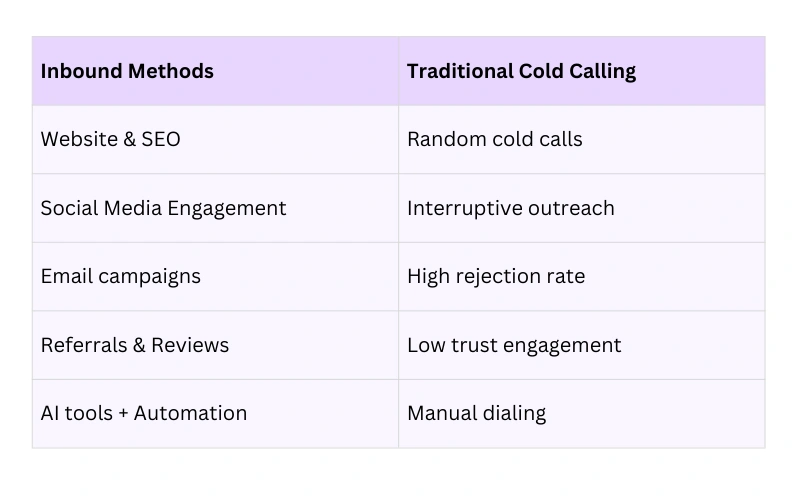
There are ways to grow your business and connect with potential clients naturally. These are a few lead gen ideas for agents who hate cold calling.

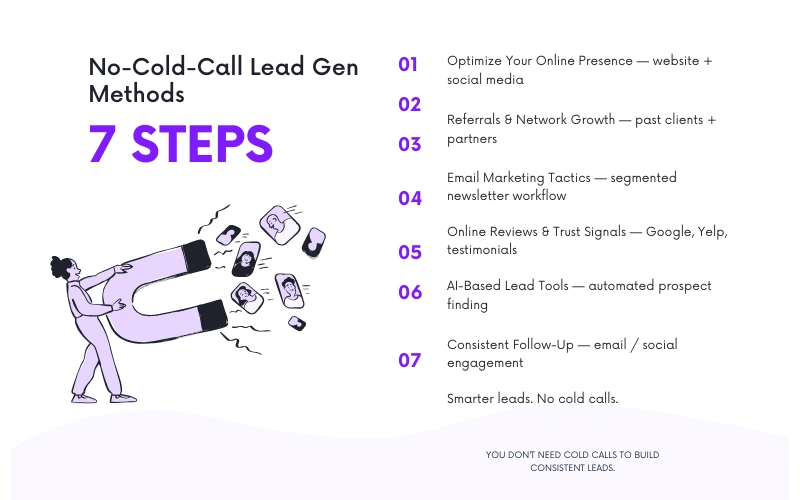
Lead generation ideas for agents without cold calling

Lead Generation Tactics That Don’t Involve You Cold Calling

1. Build a strong online presence

Most buyers and sellers usually begin their search online.

Make sure your website is easy to navigate and clearly shows the services you offer. Regularly post market updates, tips for buyers and sellers, and neighborhood insights.

Use social media to share these updates and engage with your audience. This approach can attract leads who are already interested in your expertise.

2. Leverage referrals

Referrals are one of the most reliable sources of leads.

Never underestimate the simple action of asking your past clients for recommendations and make it easy for them to share your contact information. You can create a simple email, memorable business card or even a social media message template that makes referring you straightforward and effortless for them.

3. Use email marketing

Email is a direct way to stay in touch without cold calling.

You can create a newsletter that provides useful content like market updates, open house announcements, or buying tips. Tools like Follow Up Boss make it easy for real estate agents to manage contacts, send automated emails, and track engagement. Segment your list so you can send messages that are relevant to each group of contacts.

4. Hire a virtual assistant for outreach

Some agents avoid cold calling by hiring a virtual assistant to handle it for them.

A VA can reach out to leads, schedule appointments, and keep your follow-up organized. This allows you to stay focused on client meetings and closing deals while still maintaining lead generation.

5. Focus on online reviews

Positive online reviews build trust and attract leads without a phone call.

Encourage your satisfied clients to leave reviews on your Google Business Profile, Yelp, or social media and respond to reviews to show engagement and professionalism.

6. Use AI for lead generation

Did you know that there are AI tools which can handle lead generation and follow-up for you?

AI platforms like DealJoy.AI find potential seller leads, send emails, and manage follow-up automatically. This saves you time and lets you focus on other ways to grow your business.

Using AI also spreads your opportunities across multiple sources, so you’re not relying on a single method for leads.

7. Follow up strategically

Following up is important even without cold calling.

Use email or social media to check in with past clients or leads who have shown interest. Consistent follow-up keeps you on their radar and can turn contacts into your clients.

Build Leads the Smarter Way

If you want consistent leads through SEO, content, and smart digital strategies, we can help. Let’s build a system that works without chasing people.

You Can Get Leads Without Cold Calling

You do not have to rely on it to grow your real estate business if cold calling is a real struggle for you.

You can generate leads in ways that feel more natural. Pick the strategies that fit your style and integrate them into your routine for steady results. Just make it a point to stay consistent, trust your approach, and know that with the right methods, you can build a thriving business without ever making a cold call. Goodluck!

7 Lead Gen Ideas for Agents Who Hate Cold Calling Read More »